Game Design & Development
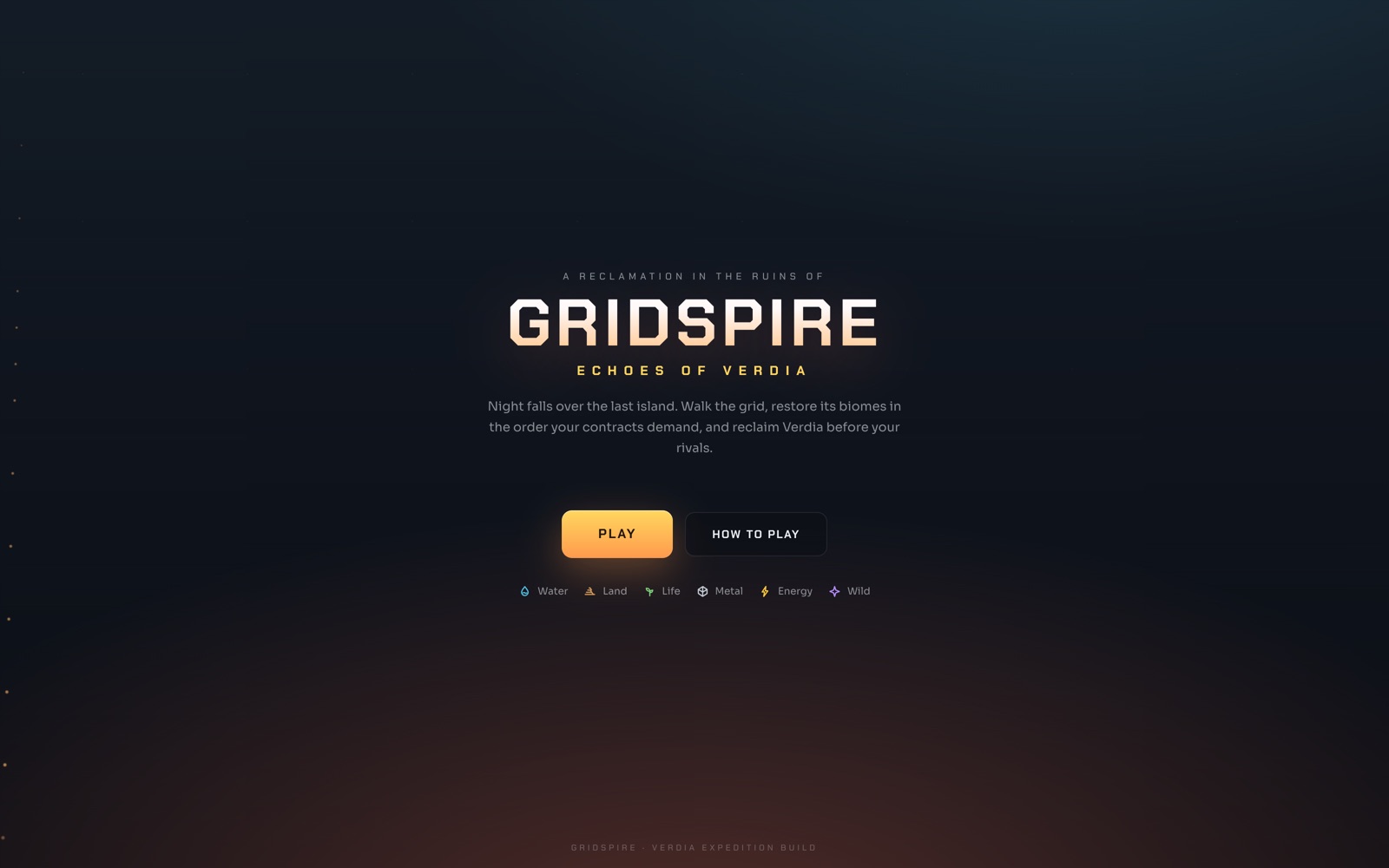
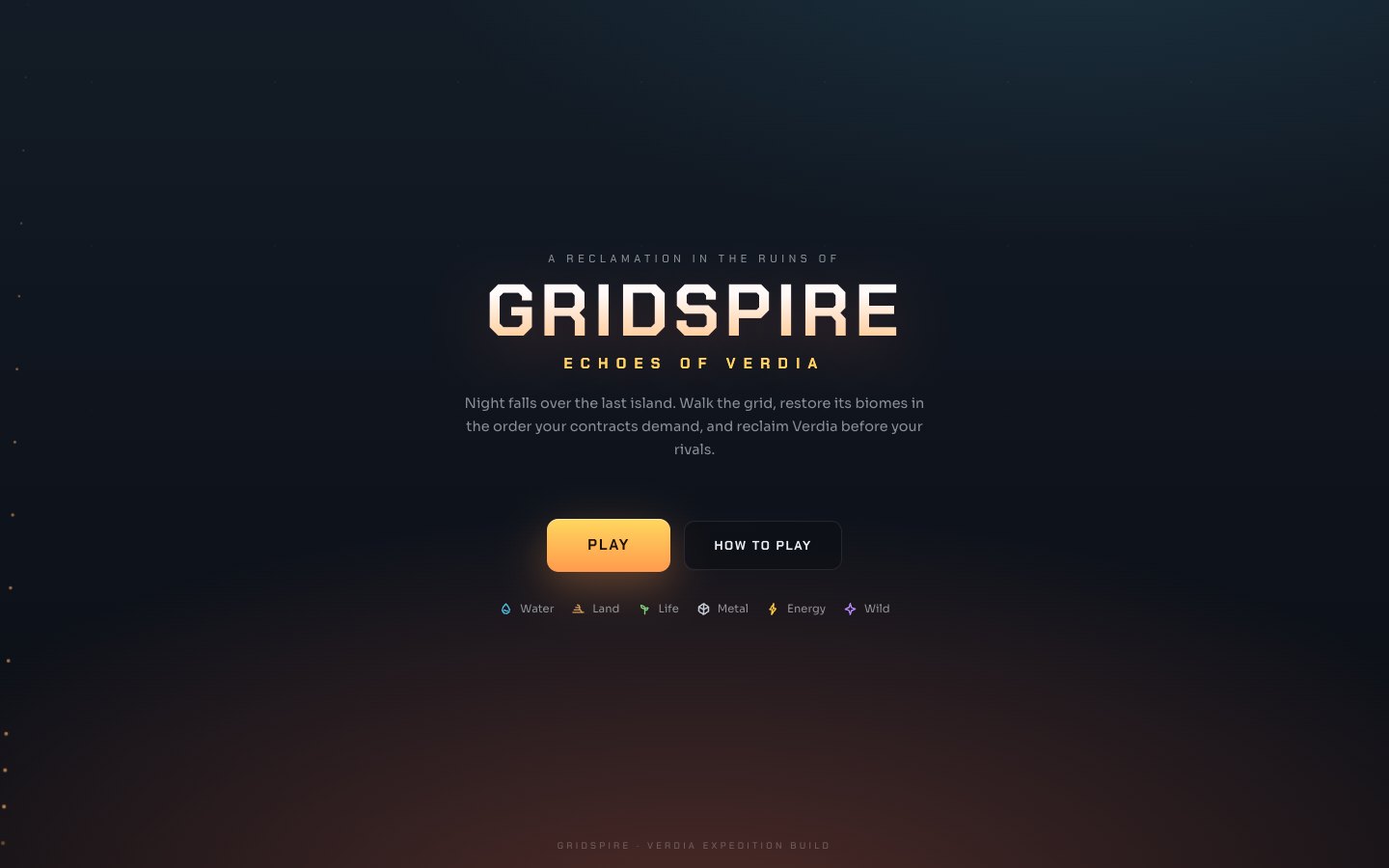
A turn-based strategy game, designed first as a physical card game, then rebuilt from the ground up as a fully 3D, browser-based edition. Engine, 3D world, animated characters and calibrated AI, end to end.
Board-game depth a five-year-old can pick up.
The goal was a strategy game clear enough for a beginner and deep enough that a competitive player can still lose to the hardest bot, then to take a physical card game and rebuild it as a performant, install-free 3D web game that runs from desktop down to a phone.
Rules as a pure engine; the 3D as a skin.
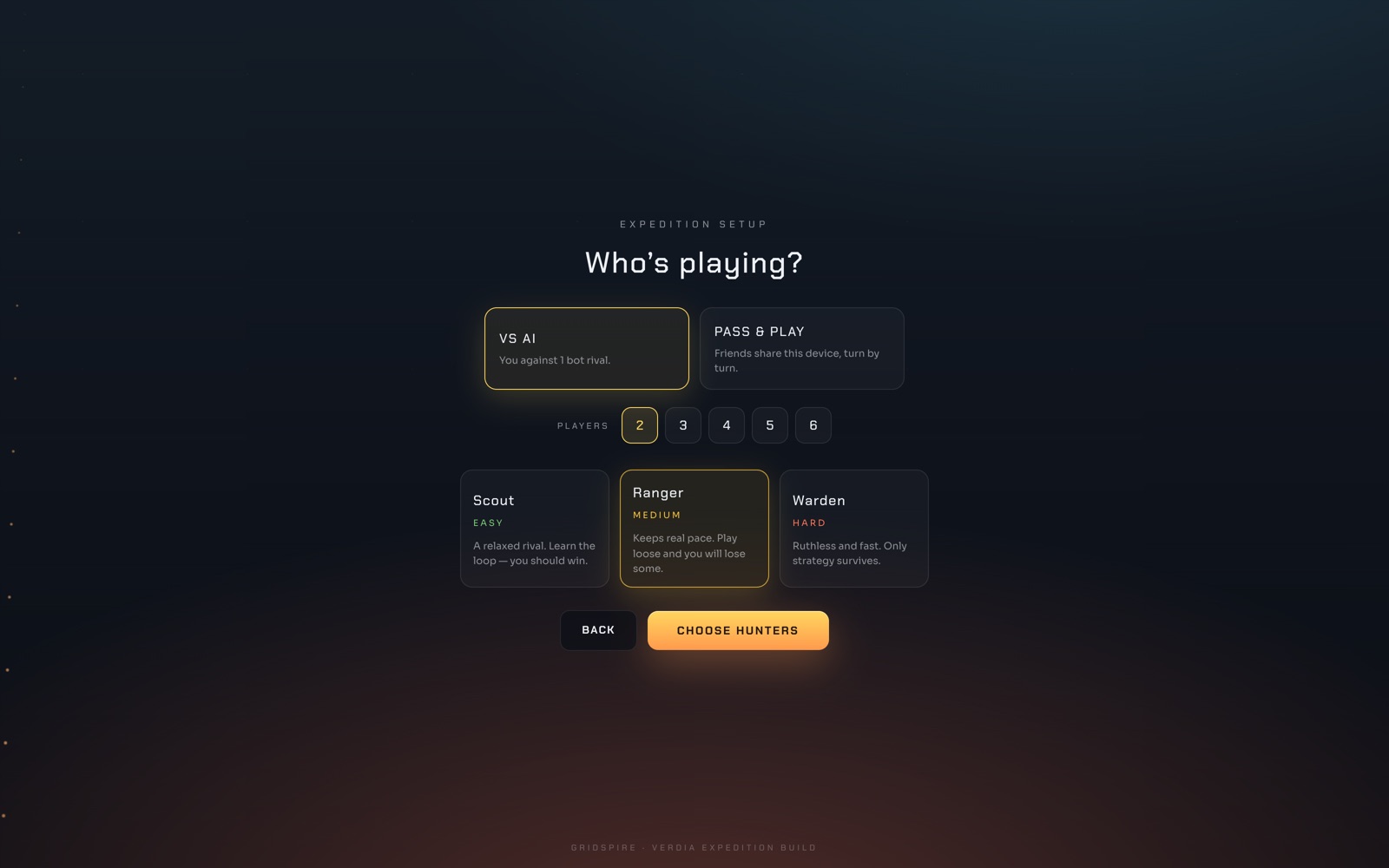
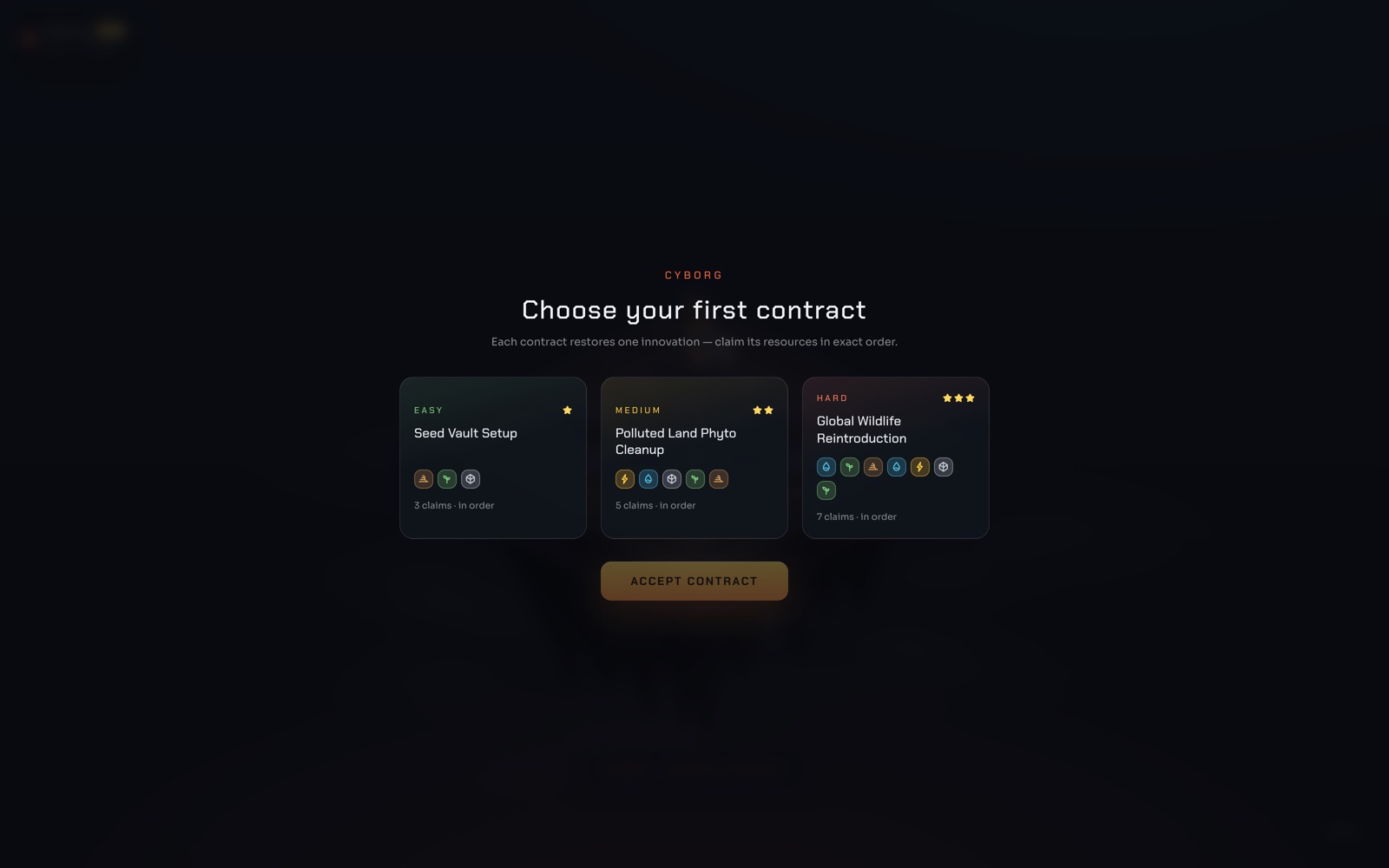
Every rule, turn order, adjacency-based claiming, contract sequencing, flux events, AI decisions, lives in a deterministic, framework-agnostic TypeScript engine with no rendering dependencies. That made the 3D layer a thin skin and kept the rules testable in isolation. The AI was balanced by simulation. A headless harness plays hundreds of games to measure win rates, tuned until each tier hit its target, roughly 85% wins for a new player on easy, 25% on hard.
Live, responsive, and self-teaching.
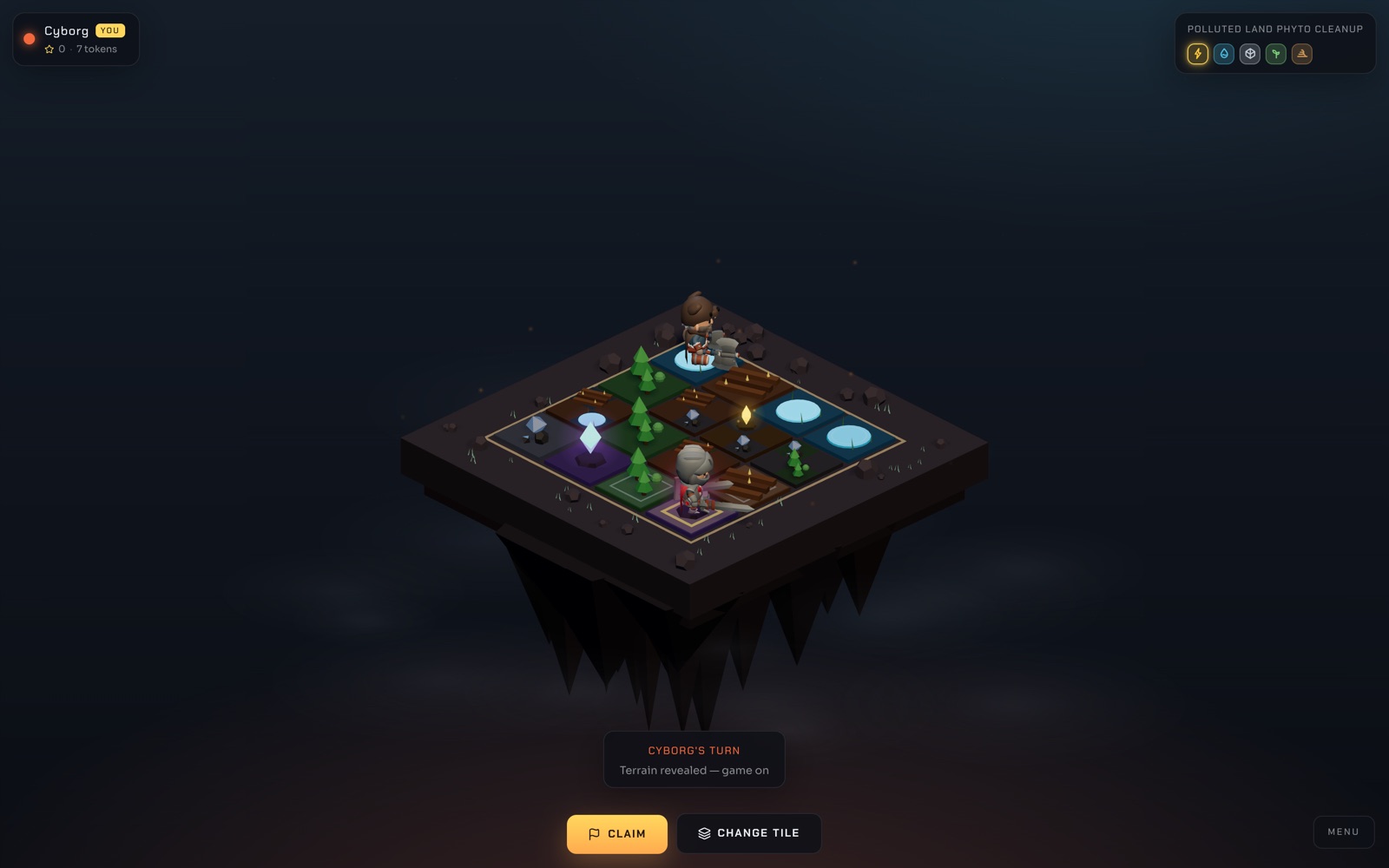
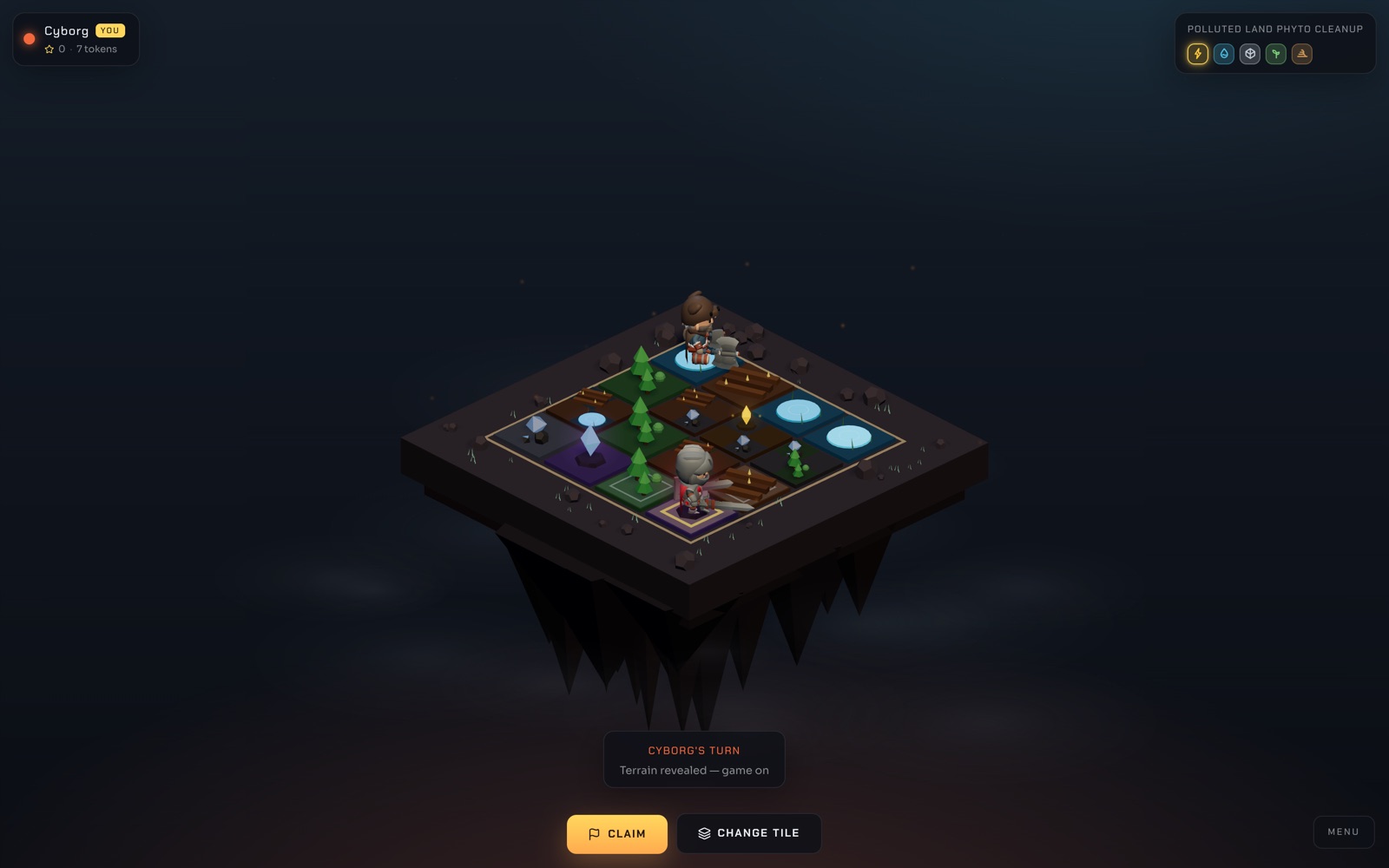
A living 3D diorama built with Three.js and React Three Fiber, a floating island of animated biome plots, rigged CC0 characters driven by a custom crossfade animation controller, dusk lighting and drifting mist. A picture-first How-to-Play and a live guided mode coach every turn. One build serves a desktop diorama and a thumb-friendly mobile layout, shipped as a static site. Play it live at gridspire-verdia.netlify.app.
- Game Design
- Engine Architecture (TypeScript)
- 3D World (Three.js / R3F)
- AI Tuning by Simulation
- Responsive UI
- Deployment